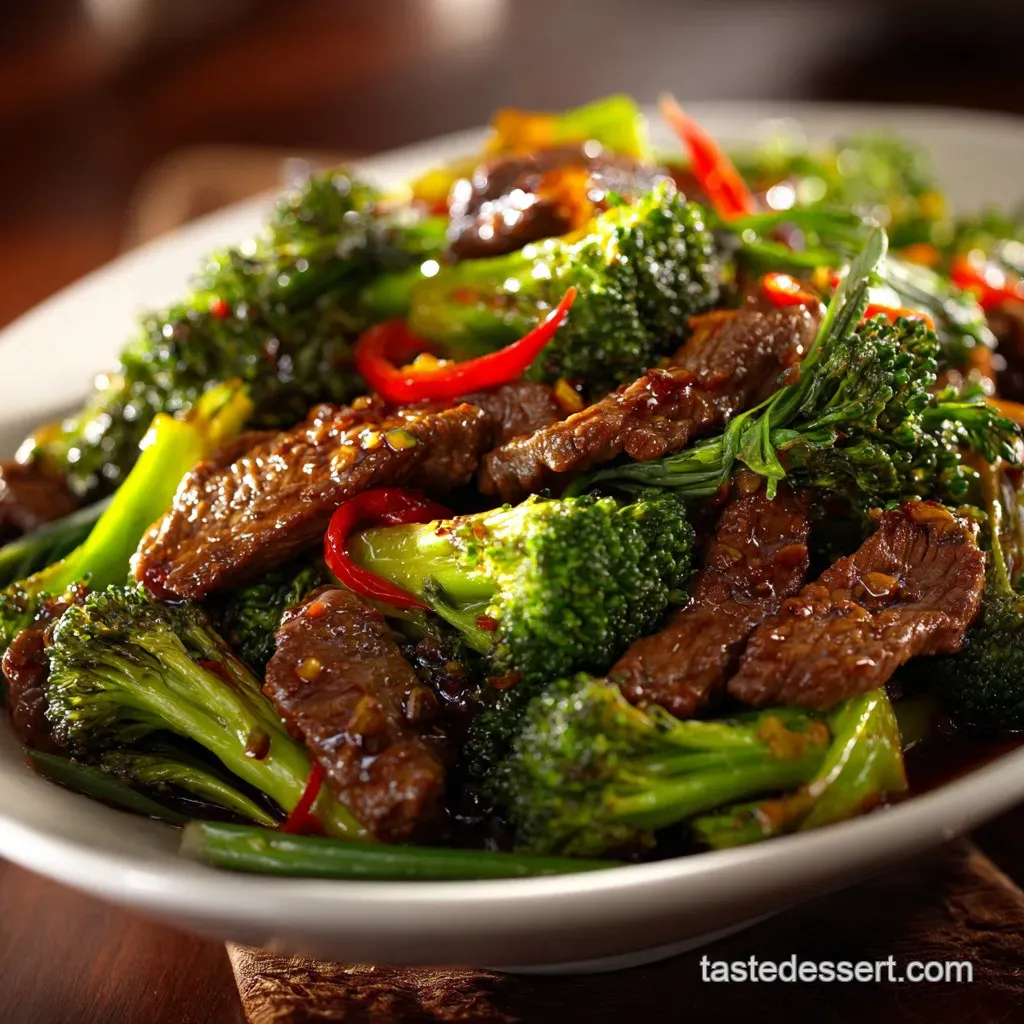
The quest for that perfectly tender, succulent beef in your favorite Chinese-American stir-fry often feels like an elusive culinary mystery. We've all experienced the joy of a glossy, savory-sweet beef and broccoli dish from our local takeout, where the beef practically melts in your mouth, its silky texture a stark contrast to the crisp-tender broccoli. What if we told you that achieving this restaurant-quality experience in your own kitchen is not only possible but surprisingly straightforward?
For too long, home cooks have grappled with tough, chewy beef when attempting stir-fries, leading to disappointment and a renewed reliance on delivery apps. The secret weapon, a time-honored Chinese cooking technique known as velveting, is about to revolutionize your approach to beef and broccoli and countless other stir-fries. This method ensures your beef stays incredibly tender and juicy, absorbing the rich flavors of the sauce while retaining a delightful, almost melt-in-your-mouth consistency. Get ready to transform your weeknight dinners into an extraordinary culinary adventure that rivals any takeout.
The Secret Weapon: Understanding Velveting for Tender Beef
Velveting is perhaps the most impactful technique you can learn to elevate your Asian stir-fries from good to truly exceptional. It's a classic Chinese culinary practice that involves marinating thinly sliced proteins – commonly beef, chicken, or shrimp – in a specific mixture designed to tenderize and protect them during high-heat cooking. The result is the signature silky, tender texture that is the hallmark of authentic stir-fries and what makes restaurant beef and broccoli so irresistible.
The magic behind velveting lies primarily in two humble ingredients: baking soda and cornstarch. When applied to meat, baking soda acts as a natural tenderizer by slightly raising the pH level of the meat. This subtle alkalinity helps to break down muscle fibers, preventing them from seizing up and becoming tough during cooking. Crucially, it also helps the meat retain moisture, keeping it juicy and plump. Paired with this, cornstarch creates a thin, protective coating around each piece of meat. This barrier not only locks in the moisture released by the baking soda but also contributes to the desired silky mouthfeel, preventing the meat from drying out and ensuring it remains incredibly tender and smooth. Other common additions to a velveting marinade can include soy sauce for flavor, Shaoxing wine (or dry sherry) for depth, and sometimes an egg white for an even more luxurious coating.
Without velveting, beef tends to dry out quickly and seize up under the intense heat of a wok or skillet, resulting in a chewy, less appealing texture. Velveting guarantees that every bite of your beef and broccoli will be consistently tender, mirroring the quality you'd expect from your favorite Chinese restaurant.
Mastering the Velveting Process for Your Beef and Broccoli
Achieving perfectly velveted beef is a multi-step process, but each step is simple and contributes significantly to the final dish. Here’s how to master it for your ultimate beef and broccoli:
Step 1: Precision Slicing
- Choose Your Cut: Flank steak, sirloin, or skirt steak are excellent choices due to their lean nature and flavor.
- Against the Grain: Always slice the beef thinly against the grain. This shortens the muscle fibers, making the beef more tender and easier to chew. Identifying the grain is key; look for the long parallel lines of muscle fibers and cut perpendicularly to them.
- Firming Up: If your steak is proving difficult to slice thinly, try freezing it uncovered on a plate for 15-20 minutes. This firms up the meat, making it much easier to achieve uniform, thin slices, typically about 1/8 to 1/4 inch thick.
Step 2: The Velveting Marinade
Once your beef is perfectly sliced, it's time for the magical marinade. For roughly one pound of beef, you'll want to combine:
- 1 teaspoon baking soda
- 1-2 tablespoons cornstarch (start with 1, add more if needed for a thicker coating)
- 1 tablespoon low-sodium soy sauce
- 1 tablespoon Shaoxing wine or dry sherry (optional, but highly recommended for flavor depth)
- A dash of sesame oil (for aroma and flavor)
- Sometimes, 1 egg white can be added for extra silkiness.
Mix these ingredients thoroughly with the beef slices until each piece is well-coated. Let it marinate for a minimum of 15 minutes, or up to 30 minutes. Resist the urge to marinate for much longer, as too much baking soda can give the beef a slightly metallic taste or an overly mushy texture.
Step 3: High-Heat, Quick Cooking
The final crucial step in velveting is the cooking itself. Velveted beef cooks very quickly:
- Hot Pan: Heat your wok or large skillet over high heat with a tablespoon or two of high smoke-point oil (like canola, grapeseed, or peanut oil) until shimmering and just starting to smoke.
- Don't Overcrowd: This is paramount. Overcrowding the pan will drop the temperature, causing the beef to steam rather than sear, leading to a less desirable texture. Cook the beef in two or even three batches if necessary.
- Quick Sear: Stir-fry each batch for only 1-2 minutes, just until the beef is mostly cooked through and beautifully seared on the outside. It should still be slightly pink in the middle, as it will continue to cook briefly when returned to the sauce. Remove the cooked beef from the pan and set it aside.
For more detailed insights into perfecting this tenderizing technique, be sure to read our comprehensive guide on Mastering Beef and Broccoli: The Secret to Restaurant-Quality Tenderness.
Crafting the Perfect Beef and Broccoli Sauce and Accompaniments
While velveting provides the tender beef, the rich, umami-packed sauce and crisp-tender broccoli complete the classic beef and broccoli experience.
The Umami-Rich Sauce
The sauce is where the classic savory-sweet notes of Chinese-American cuisine shine. A typical blend includes:
- Oyster Sauce: This is non-negotiable for its deep, savory, slightly sweet, and distinct umami flavor.
- Low-Sodium Soy Sauce: Provides the foundational savory and salty notes. Using low-sodium allows you to control the overall saltiness of the dish.
- Shaoxing Wine (or Dry Sherry): Adds a complex, aromatic depth that elevates the entire sauce.
- Sugar: Balances the savory elements with a touch of sweetness.
- Rice Vinegar: A splash adds a subtle tang, cutting through the richness.
- Aromatics: Freshly minced ginger and garlic are essential for their pungent, warm flavors that infuse the sauce.
- Cornstarch Slurry: A mixture of cornstarch and water is whisked in at the end to thicken the sauce, allowing it to beautifully cling to the beef and broccoli.
The beauty of this sauce is how it coats every ingredient, delivering flavor in every bite without making the dish overly soupy. It��s designed to be the perfect complement to fluffy steamed rice.
The Crisp-Tender Broccoli
The broccoli provides a vital textural and nutritional contrast to the rich beef. It should be cooked until it's vibrant green and still has a slight bite, offering a satisfying crunch. Quick steaming, blanching, or a brief stir-fry are ideal methods. The goal is to avoid overcooking, which results in mushy, dull-colored broccoli.
Serving Suggestions
Beef and broccoli is inherently a complete meal, especially when served over a generous bed of warm, fluffy steamed jasmine rice, which soaks up the delicious sauce. To elevate the dining experience further:
- Wine Pairings: A crisp, aromatic white wine like a dry Riesling or Gewürztraminer beautifully complements the dish. Their natural sweetness balances the savory, umami-rich sauce and highlights the ginger and garlic notes.
- Beer Pairings: If you prefer beer, a light lager or a crisp pilsner offers a refreshing contrast to the richness of the stir-fry.
- Non-Alcoholic Options: Jasmine tea provides a fragrant, cleansing accompaniment, while sparkling water with a squeeze of citrus offers a refreshing palate cleanser.
And the best part? This entire dish, from prep to plate, can come together in about 30 minutes, making it an ideal candidate for a flavorful weeknight dinner that feels like a special treat. Discover how easy it is to bring Minute Beef and Broccoli: Restaurant Flavor, Weeknight Speed to your table.
Beyond Beef: Expanding Your Velveting Repertoire
The velveting technique is a culinary superpower that extends far beyond just beef and broccoli. Once you've mastered it, you'll unlock a new level of tenderness for a wide array of proteins and dishes. It's incredibly versatile and can be applied to:
- Chicken: Whether it's chicken breast or thigh, velveting transforms it into incredibly tender morsels for dishes like General Tso's Chicken, Cashew Chicken, or any chicken stir-fry.
- Shrimp: Velveted shrimp becomes plump, juicy, and maintains a perfect snap, ideal for shrimp with lobster sauce or various vegetable stir-fries.
- Pork: Thinly sliced pork tenderloin or loin can also benefit from velveting for dishes like sweet and sour pork or stir-fried pork with vegetables.
The principles remain the same: thin slicing, a baking soda and cornstarch marinade, and quick, high-heat cooking. You might adjust the quantity of baking soda slightly depending on the protein (e.g., shrimp needs less and a shorter marinating time), but the foundational technique is consistent. This opens up a world of possibilities for creating authentic, restaurant-quality Chinese-American dishes right in your home kitchen, making your stir-fry repertoire truly limitless.
Embracing the velveting technique is a game-changer for any home cook aspiring to recreate the magic of restaurant-quality Chinese-American cuisine. By understanding the simple science behind baking soda and cornstarch, coupled with precise slicing and careful cooking, you can transform ordinary beef into incredibly tender, silky bites that are the hallmark of a truly great beef and broccoli. This method not only guarantees a delightful texture but also infuses the meat with flavor, making every forkful a joy. So, step away from the takeout menu for a moment, gather your ingredients, and prepare to impress yourself and your family with a homemade stir-fry that rivals the best.
