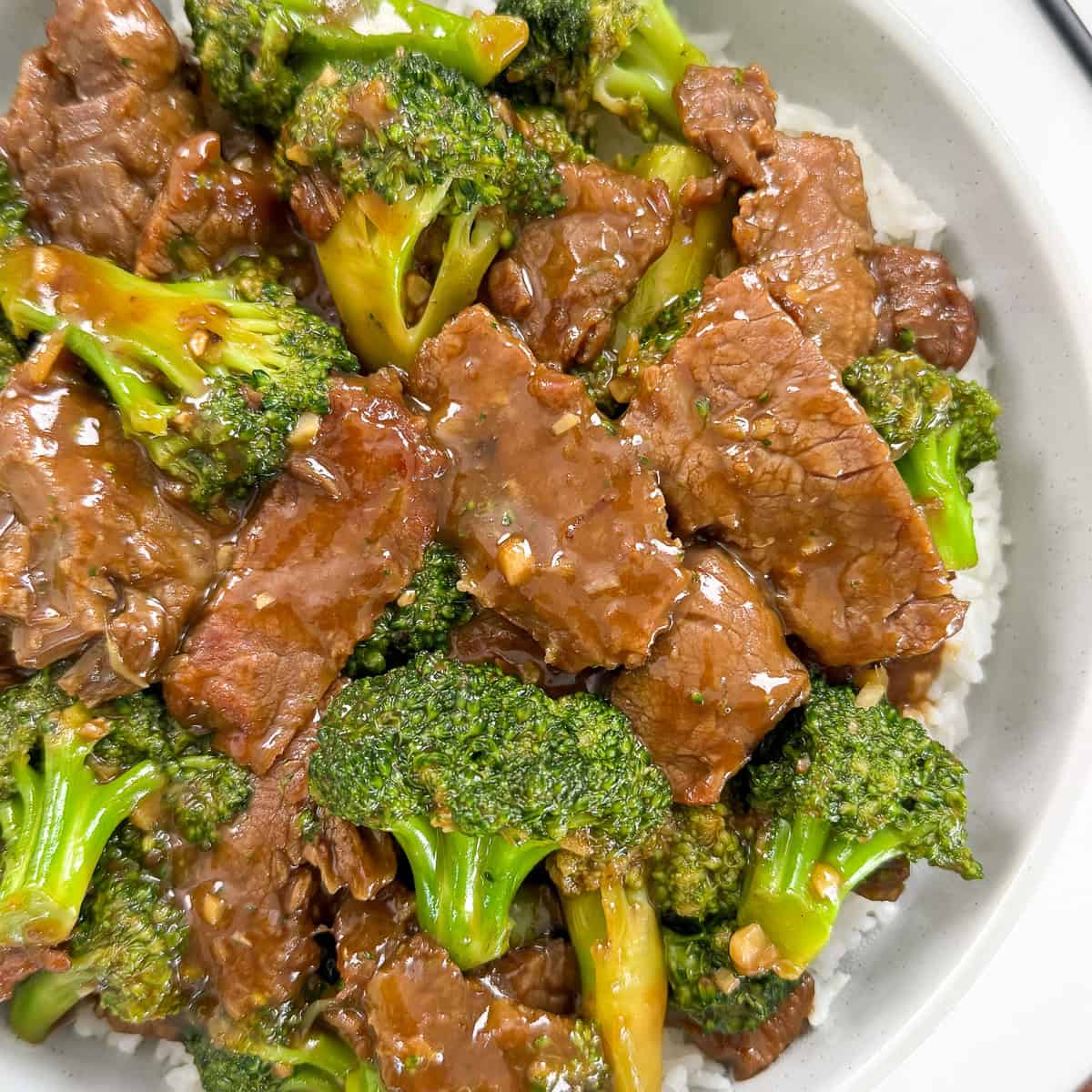
The allure of a perfectly executed beef and broccoli dish from your favorite Chinese American restaurant is undeniable. That melt-in-your-mouth tenderness of the beef, the vibrant, crisp-tender broccoli, and a glossy, savory-sweet sauce that clings to every morsel – it's a culinary masterpiece. Yet, many home cooks struggle to replicate this magic, often ending up with tough beef or a watery, unbalanced sauce. What's the secret to achieving that coveted restaurant-quality tenderness and flavor? The answer lies in mastering a few key techniques and understanding the role each ingredient plays.
The Culinary Magic Behind Restaurant Tenderness: Velveting Explained
The single most crucial technique that distinguishes professional-grade beef and broccoli from a home kitchen attempt is velveting. This classic Chinese cooking method is the true secret to ensuring your beef is incredibly tender, juicy, and silky, just like you find in takeout dishes. Velveting involves marinating thinly sliced protein – be it beef, chicken, or shrimp – in a special mixture designed to protect and tenderize the meat during high-heat cooking.
So, how does it work? The velveting marinade typically includes:
- Baking Soda: This unassuming pantry staple is the real game-changer. Baking soda slightly raises the pH of the meat, which helps to break down muscle fibers and prevents them from seizing up and becoming tough when exposed to high heat. This alkalinity also enhances the meat's ability to retain moisture.
- Cornstarch: A thin coating of cornstarch creates a protective barrier around each slice of beef. This barrier locks in moisture, preventing the meat from drying out, and also helps to achieve that characteristic silky texture. It also aids in preventing the meat from sticking to the pan.
- Soy Sauce and/or Rice Wine (Shaoxing wine or dry sherry): These add essential flavor to the marinade and further contribute to moisture retention and tenderization.
- Egg White (optional but recommended): An egg white can further enhance the velvety texture by creating a lighter, more delicate coating.
After marinating, the beef is typically cooked very quickly in a hot wok or skillet, often stir-fried or even blanched briefly in hot oil or water. This rapid cooking, combined with the protective velveting layer, ensures the beef cooks through without becoming tough or chewy. Once you've mastered velveting, not only will your beef and broccoli reach new heights, but you can apply this technique to a wide range of other stir-fries and Asian dishes. For an in-depth guide on perfecting this technique, check out The Velveting Technique: Your Guide to Perfect Beef and Broccoli.
Practical Velveting Tips:
- Slice Against the Grain: Always slice your beef thinly against the grain. This shortens the muscle fibers, making the beef naturally more tender. If your steak is difficult to slice, freeze it uncovered on a plate for 15-20 minutes to firm it up.
- Marinate Adequately: While velveting works relatively quickly, allow at least 15-30 minutes for the marinade to work its magic. For even better results, you can marinate for up to an hour.
- Don't Overdo the Baking Soda: Too much baking soda can give the beef an unpleasant metallic taste. A quarter to a half teaspoon per pound of beef is usually sufficient.
Crafting the Iconic Beef and Broccoli Sauce: A Symphony of Flavors
While tender beef is paramount, the sauce is the soul of any great beef and broccoli dish. It's that glossy, umami-packed coating that ties everything together, delivering that quintessential takeout flavor. A truly exceptional sauce balances savory, sweet, and aromatic notes, clinging beautifully to the beef and broccoli without being overly thick or watery.
The foundation of this savory-sweet masterpiece typically includes:
- Oyster Sauce: This is a non-negotiable ingredient, providing a deep, complex umami flavor that is hard to replicate. It offers a natural sweetness and richness.
- Soy Sauce: The primary source of saltiness and another layer of umami. Opt for low-sodium soy sauce to control the overall saltiness of your dish and adjust to taste.
- Shaoxing Wine (or Dry Sherry): Adds a crucial layer of depth, aroma, and slight acidity that brightens the sauce. Do not skip this; it's vital for authentic flavor.
- Sugar: Balances the savory elements and contributes to the glossy finish. Brown sugar or regular granulated sugar both work well.
- Sesame Oil: Added at the very end, a touch of toasted sesame oil provides an intoxicating nutty aroma.
- Cornstarch Slurry: A small amount of cornstarch mixed with water is essential for thickening the sauce to that perfect glossy consistency, ensuring it coats the ingredients beautifully.
- Aromatics: Fresh ginger and garlic are indispensable, providing pungent, warm, and slightly spicy notes that elevate the sauce's complexity.
The key to a restaurant-quality sauce is to pre-mix all the liquid ingredients (oyster sauce, soy sauce, Shaoxing wine, sugar, and cornstarch slurry) in a bowl before you start cooking. This allows for quick addition to the hot pan, preventing any burning and ensuring a smooth, lump-free sauce. Taste and adjust seasonings as needed – a touch more sugar for sweetness, a dash more soy sauce for salt, or a squeeze of lime for brightness can make a significant difference.
Mastering the Stir-Fry Technique for Perfect Beef and Broccoli
Even with perfectly velveted beef and a balanced sauce, the stir-frying process itself is critical for achieving the ideal texture and flavor in your beef and broccoli. Stir-frying is a high-heat, fast-paced cooking method that requires attention and proper technique.
Preparing and Cooking the Beef:
- Sear in Batches: One of the most common mistakes is overcrowding the pan. When too much beef is added, the pan's temperature drops, and the meat steams rather than sears. This results in gray, tough beef instead of beautifully browned, tender pieces. Cook the velveted beef in 2-3 batches, ensuring each piece has enough space to make contact with the hot pan and develop a delicious crust (Maillard reaction).
- High Heat is Key: Use a wok or a large, heavy-bottomed skillet over high heat. This ensures quick cooking and prevents the beef from releasing too much moisture.
- Quick Cook Time: Velveted beef cooks incredibly fast. Stir-fry each batch for only 1-2 minutes until just browned on the outside and still slightly pink in the center, as it will continue to cook when returned to the pan with the sauce. Remove cooked beef from the pan and set aside.
Preparing and Cooking the Broccoli:
- Crisp-Tender Perfection: The broccoli should be vibrant green and have a slight bite – never mushy. The best way to achieve this is to quickly steam or blanch the florets for 2-3 minutes until they are bright green and just tender. Alternatively, you can add them directly to the stir-fry after the beef, but steaming first ensures even cooking and maintains their vibrant color.
- Consistent Size: Cut broccoli florets into uniform, bite-sized pieces so they cook evenly.
Bringing It All Together:
Once your beef is seared and your broccoli is ready, the final assembly is swift:
- Sauté aromatics (ginger, garlic) briefly in a bit of oil until fragrant.
- Add the cooked broccoli and toss to combine.
- Pour in the pre-mixed sauce, stirring constantly until it thickens and becomes glossy.
- Return the cooked beef to the pan, tossing quickly to coat everything evenly in the sauce.
- Remove from heat immediately to prevent overcooking the beef.
This entire process, from prepping your ingredients to having a finished dish, can often be completed in under 30 minutes, making it ideal for a flavorful weeknight dinner. For more tips on making this classic dish quickly, read our article Minute Beef and Broccoli: Restaurant Flavor, Weeknight Speed.
Beyond the Basics: Elevating Your Beef and Broccoli Experience
While the core techniques guarantee a fantastic beef and broccoli, a few extra considerations can truly elevate your dish to gourmet status.
Ingredient Quality Matters:
- Freshness: Always use fresh ginger and garlic. Their pungent aromas are incomparable to their powdered counterparts.
- Quality Sauces: Invest in good quality oyster sauce and soy sauce. The depth of flavor they provide is worth the extra cost.
- Broccoli: Choose firm, dark green broccoli heads with tightly packed florets.
Serving and Pairing Suggestions:
Beef and broccoli is traditionally served over fluffy steamed white rice, which soaks up the delicious sauce beautifully. It also pairs wonderfully with brown rice or noodles.
To complement the rich, umami flavors of the dish:
- Wine Pairing: A crisp, aromatic white wine like a dry Riesling or a Gewürztraminer can cut through the richness and enhance the aromatic notes of ginger and garlic. Their subtle sweetness balances the savory sauce.
- Beer Pairing: For beer enthusiasts, a light lager or a crisp pilsner provides a refreshing contrast to the dish's depth.
- Non-Alcoholic Options: Jasmine tea offers a fragrant, palate-cleansing experience, while sparkling water with a squeeze of lime or lemon provides a refreshing, effervescent counterpoint.
Customization and Variations:
Once you've mastered the classic, don't hesitate to experiment:
- Add Heat: A pinch of red chili flakes or a dash of chili garlic sauce can introduce a delightful kick.
- Extra Veggies: Incorporate sliced carrots, bell peppers, or snap peas for added color and nutrients.
- Different Beef Cuts: While flank steak or sirloin are common, try using ribeye for an even more luxurious experience.
Mastering beef and broccoli is about understanding the science behind the tenderness and the art of balancing flavors. By embracing the velveting technique, crafting a balanced sauce, and executing a swift, high-heat stir-fry, you can consistently achieve that coveted restaurant-quality tenderness and rich, umami flavor right in your own kitchen. It’s a dish that proves that with a few simple secrets, homemade can truly rival takeout. So, gather your ingredients, fire up your wok, and prepare to impress yourself and your loved ones with the best homemade beef and broccoli you've ever tasted!
